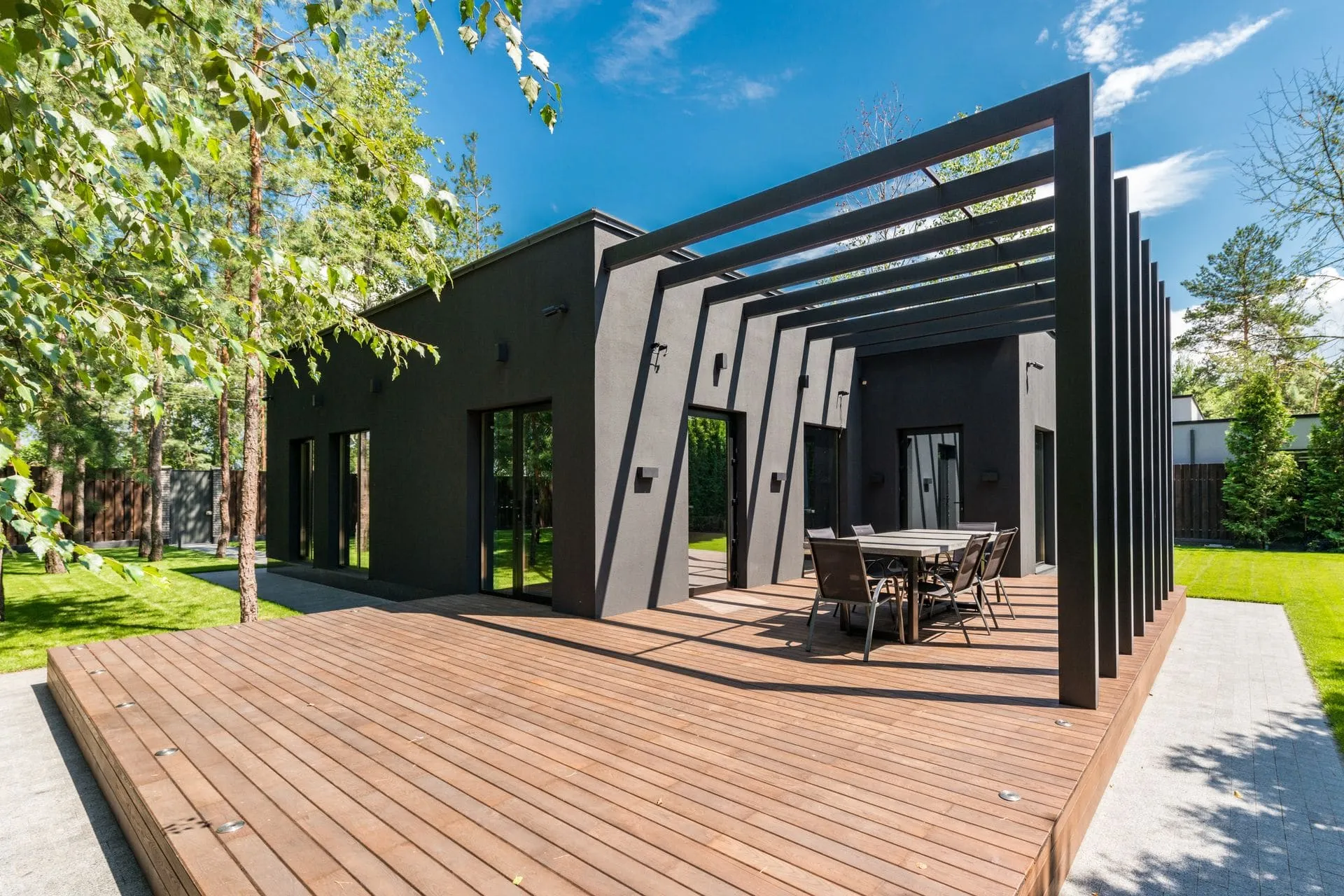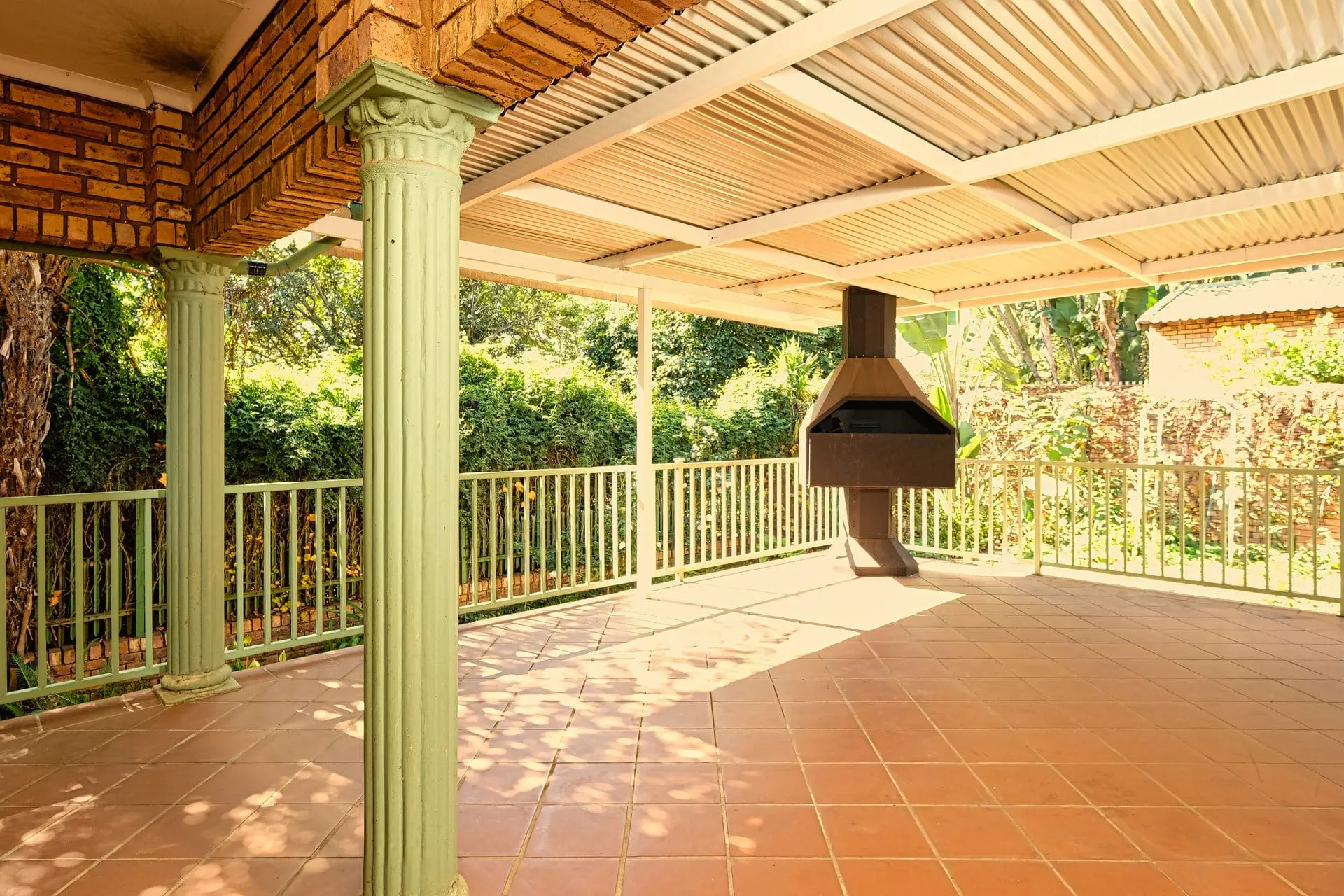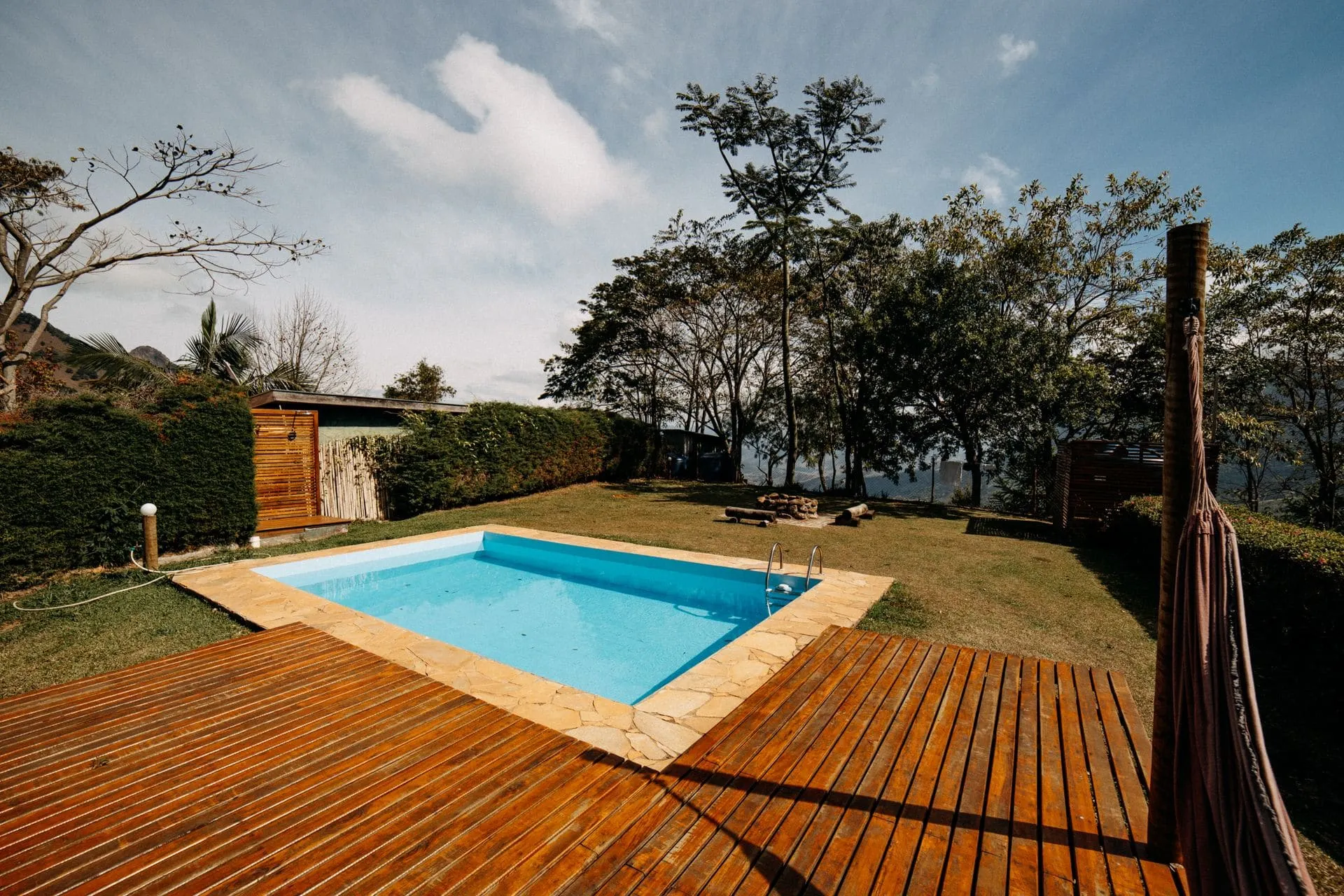
Quick answer
The most effective pergola shade in Adelaide comes from getting orientation right and choosing the right roof. A solid Colorbond or insulated panel roof gives the most reliable shade on north and west-facing areas. Polycarbonate lets light through but more heat. Open battens give filtered shade, and shade cloth or blinds can be added separately.
Getting pergola shade right is the difference between an outdoor area you use every summer evening and one you avoid until the sun goes down. In Adelaide, with long, hot summers and strong afternoon sun from the west, the roof and the orientation do most of the work. Below are the main pergola shade options, how they compare, and when each works best.
Start with orientation
The best pergola for shade is one designed around where the sun actually hits. In the southern hemisphere, the sun sits in the northern sky, so north-facing areas get sun most of the day, while west-facing areas get the low, hot afternoon sun.
- North-facing: The sun is high in summer, so a roof with a reasonable overhang blocks most of it. In winter, the sun is lower and an open or partly clear roof lets warmth in.
- West-facing: The hardest to shade. Afternoon sun comes in low under the roof edge, so a solid or insulated roof plus extra side protection is often needed.
- East-facing: Morning sun is milder. Open battens or polycarbonate often give enough shade.
- South-facing: Gets the least direct sun. A pergola here is often more about rain cover and defining the space.
The Australian Government’s YourHome guide to shading explains the same principles in more detail if you want the background.
Pergola shade options compared
Here are the main roof options for a pergola for shade, from lightest to most protective. Each has a short note on when it works best.
1. Open battens or rafters
An open timber or steel frame with closely spaced battens breaks up the sun and casts filtered shade. It keeps the area bright and lets winter sun through, but it doesn’t stop rain.
Works best when: the area faces east or south, you mostly use it in the mornings or evenings, or you plan to grow a deciduous vine over it later.
2. Polycarbonate roofing
Polycarbonate sheets keep rain off while letting light through. Clear sheets let in a lot of heat; tinted and heat-reflective sheets reduce it. Our polycarbonate vs Colorbond pergola roof guide compares them in detail.
Works best when: you need rain cover but don’t want to darken nearby rooms, and the area isn’t exposed to the harshest western sun.
3. Colorbond roofing
A Colorbond roof gives full, reliable shade and rain cover. Lighter colours reflect more of the sun’s heat than darker ones, which can make a noticeable difference to the space underneath. This guide to the best Colorbond colours for Adelaide homes is handy if you are choosing a colour.
Works best when: the area faces north or west and you want solid, low-maintenance shade.
4. Insulated roof panels
Insulated patio roofs use panels with an insulating core between two steel skins. They block far more heat than single-skin roofing, dull the noise of rain and give a finished, ceiling-like underside.
Works best when: the area faces west, sits right against living-room glass, or you want the coolest possible space for summer entertaining.
5. Mixed roofs
A roof doesn’t have to be one material. Some homeowners choose solid roofing over the dining area with a few clear sheets near the house, or an insulated section with an open-batten extension.
Works best when: you want shade where people sit and light where the house needs it.
6. Gable roof for height and airflow
A gable roof lifts the centre of the pergola, so hot air can rise away from people underneath. It also lets you put clear sheets in the gable end for light.
Works best when: the area is large or you want a feature roof. See our gable roof pergolas page.
Quick comparison
| Roof type | Shade level | Heat underneath | Rain cover | Light through |
|---|---|---|---|---|
| Open battens | Partial, filtered | Warmest in midday sun | None | High |
| Clear polycarbonate | Low to moderate | Warm | Full | High |
| Tinted or heat-reflective polycarbonate | Moderate | Moderate | Full | Moderate |
| Colorbond (lighter colour) | Full | Cooler | Full | None |
| Insulated panels | Full | Coolest | Full, quietest | None |
Our pergola roof styles and insulated patio roof guide go deeper into these choices.
Shade for hot summers on the western side
West-facing areas need more than a roof, because late-afternoon sun comes in under the edge. A few structural choices help:
- Wider overhang: Extending the roof further out on the western side pushes the shade line out.
- Lower roof edge on the west: A skillion roof that falls toward the west blocks more low sun.
- Insulated roof: Reduces the heat radiating down from above.
- A verandah instead: A verandah tied into the main roofline can give deeper cover than a stand-alone pergola.
Even with these, many homeowners add side protection separately, as covered in the next section.
Pergola shade cloth, screens and plants
Shade cloth, blinds, screens and plants are common extras that homeowners add separately. We don’t supply or install them, but we can design the pergola so they are easy to fit later.
- Pergola shade cloth: Stretched over open battens or rafters, it cuts direct sun cheaply. It won’t keep rain off and needs replacing as it weathers.
- Outdoor blinds: Fitted to the beam on the western or southern side, they block low sun and wind when lowered.
- Screens: Fixed slat screens give privacy and partial side shade.
- Deciduous vines: Grown over an open pergola, they shade in summer and let sun through in winter once the leaves drop. They take a few seasons to establish.
- Shade sails and louvred inserts: Some homeowners add these too, from specialist suppliers.
If you plan to add any of these, tell us at the design stage. We can allow for blind fixings, beam sizes and roof heights so they fit properly.
Shade in summer, sun in winter
Adelaide winters are mild but grey and damp, and most homeowners still want winter sun reaching the living room. A pergola that blocks every ray in January can make the house darker and colder in July.
There are a few ways to balance the two:
- Overhang depth: On a north-facing pergola, the roof depth can be set so it shades the high summer sun but lets more of the low winter sun under the edge.
- Clear sections near the house: A strip of polycarbonate where the roof meets the house lets light reach the windows.
- Open sections: An open-batten section at one end keeps part of the space bright.
- Raised roof: Lifting the roof above the gutter line increases the gap for light to come through.
We look at window positions and the sun’s path when we visit, so the design gives shade where you need it without darkening the house.
Other things that affect comfort
Shade is only part of the picture. These details make a shaded pergola more comfortable:
- Height: A higher roof feels cooler than a low one, because heat has room to rise.
- Airflow: Leave the sides that catch afternoon breezes open where possible.
- Floor surface: Decking under shade stays cooler than exposed pavers in direct sun.
- Integrated lighting: Lets you use the area in the cooler evening hours.
Next step
The right pergola shade depends on your orientation, how you use the space and the house beside it. Start with our pergolas page, then use the quote form, with photos if you have them, or call 0485 008 292. We get back to you within 24–48 hours, look at the sun and the site with you, and give you a written, itemised quote. If you need approvals, our guide to council approval for pergolas in SA explains the general process.
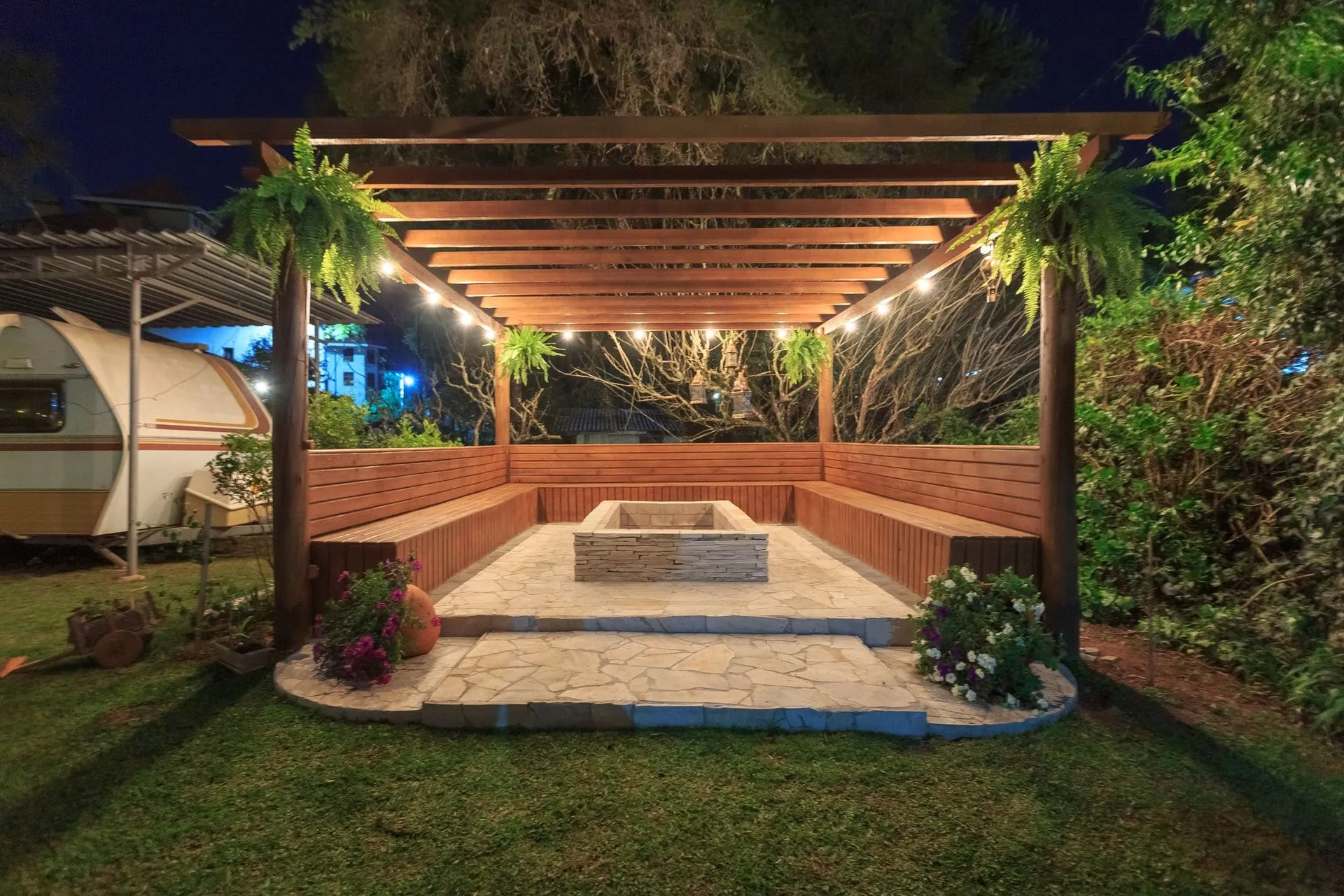
Photo is illustrative. This guide is general information for Adelaide homeowners, not engineering, planning or legal advice. Check current requirements with your council or PlanSA before you build.